
For charities and community organisations
Digital companionship, without a cost to the person using it.
We want to work with community organisations to offer older people a friendly voice during quiet moments, with no personal charge under a funded community partnership.
Together, we can explore funding and put trusted human support around every introduction, so the technology complements the relationships and services already in someone's life.
Community access requires agreed funding, suitable arrangements and supported setup before anyone starts using the service.
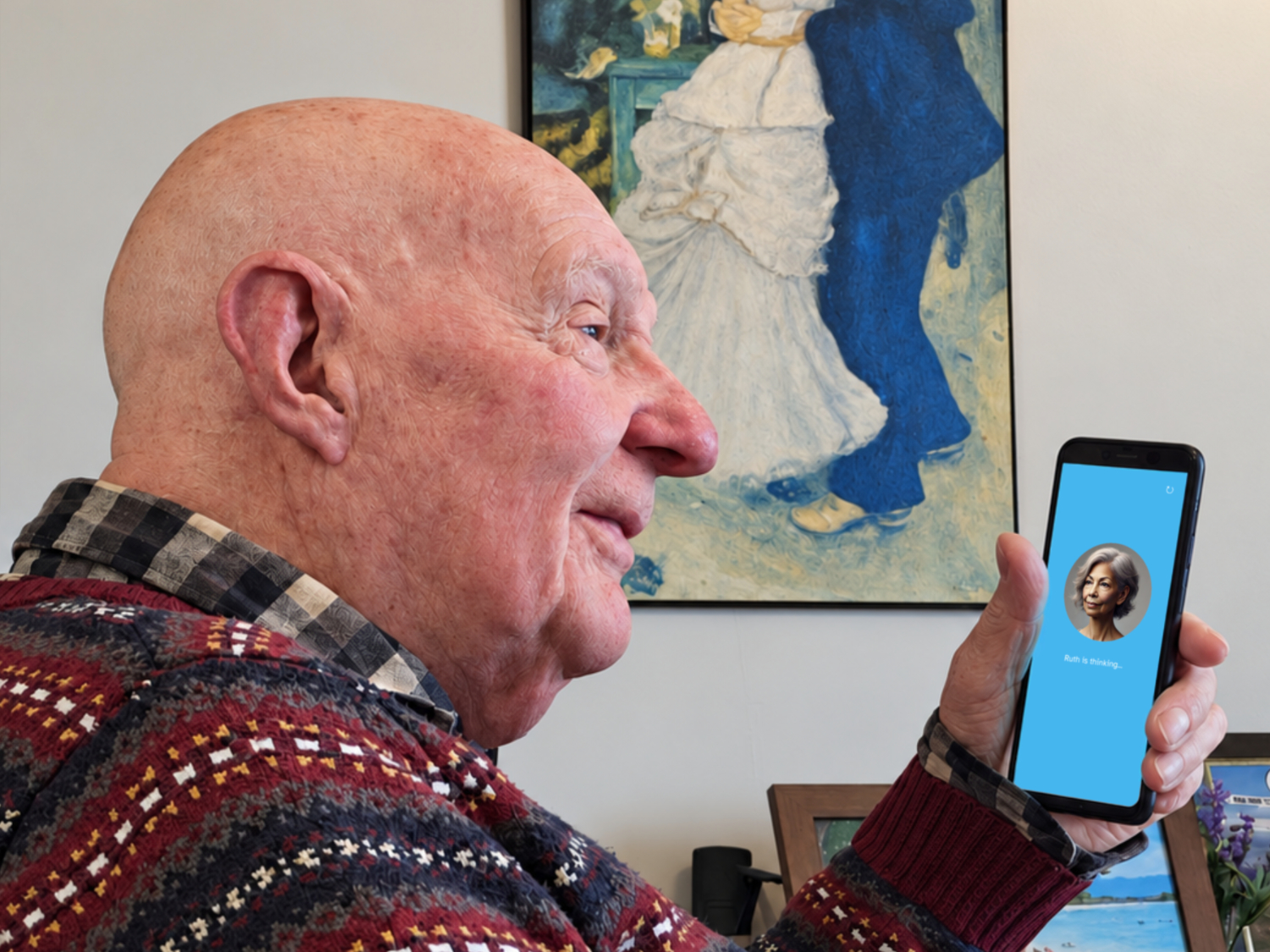
Why community partnerships matter
Human connection is the answer. We can help during the gaps.
Loneliness is a human problem. We do not believe technology can cure it or replace the friendships, visits, groups and conversations that make life meaningful.
Yet community organisations know how long the quiet periods can be. A person may be waiting for befriending support, be between activities or simply want to talk when nobody is nearby.
Comfort Companions offers voice-led conversation and reassurance in some of those moments. It works best when introduced by a trusted organisation that understands the person and keeps human contact at the heart of the support.
Gentle conversation when a person wants to feel heard.
A calm, low-pressure option alongside existing human support.
Introduced with explanation, consent and practical help.
Our community commitment
Free to the person. Supported from the start.
Under the community partnership route, the older person will not be asked to pay for Comfort Companions. Access must instead be funded through a suitable partnership arrangement.
The aim is not to hand someone an app and leave them to manage alone. Every supported place needs a clear introduction, an appropriate companion match, practical help and someone who can follow up.
This is a commitment to the design of the community route, not a claim that free places are currently available everywhere. Funding and delivery arrangements must first be agreed.
The person should feel supported, not sold to.
Community access should be shaped by the person's needs and circumstances, rather than their ability to pay.
- No personal charge under a funded community partnership
- Clear explanation and voluntary consent before use
- Help with setup, matching and the first conversation
- Agreed human follow-up, support and fallback
Practical, supported delivery
How a community partnership could work
No two organisations are exactly alike. We would agree a manageable approach to funding, suitability, setup and ongoing support before inviting anyone to use Comfort Companions.
Explore the need
Tell us who you support, where the quiet gaps arise and how Comfort Companions might fit alongside your existing work.
Agree funding and roles
Identify a viable funding route and agree who handles suitability, consent, practical setup, safeguarding concerns and follow-up.
Introduce and review
Help suitable people get started, try their first conversation and check later that the service remains useful and appropriate.
Your organisation brings local trust
You know the people and community you serve. Depending on the agreed arrangement, you may help identify suitable participants, introduce the service, support consent and setup, provide a human fallback and follow up.
We provide the digital companionship service
Comfort Companions CIC provides the app, companion configuration, guidance, implementation support, technical support and agreed service-learning information.
Responsibilities, support arrangements, funding and review points must be agreed before access begins. Comfort Companions does not replace befriending, care, safeguarding or emergency services.
Making free access possible
Free access still needs funding
Every place has real costs: the technology, companion matching, setup, practical help, technical support and follow-up. To keep community access free for the person using it, those costs need to be covered responsibly.
Grants and community funding
We can explore applications and opportunities with community organisations, local funders and other grant-making bodies.
Sponsors and supporter contributions
Businesses and individuals may help fund supported access for older people who would otherwise miss out.
Commissioned programmes
A council, commissioner or local programme may fund a defined group of people through an agreed delivery arrangement.
Income from other services
Where available after operating costs, surpluses from care-provider work and other income can help subsidise community access.
Why we became a Community Interest Company
The CIC structure gives us clarity about what comes first: community benefit.
Comfort Companions is still a limited company, but as a CIC it must operate for the benefit of the community and its assets are protected by a statutory asset lock. We believe loneliness and vulnerability should never become a source of private gain.
Financial sustainability matters because it allows the service to continue, improve and reach more people. The purpose remains the benefit we can create for the people and communities we serve.
Supporters, sponsors, grants and trusted partners help us widen access. Whatever the funding route, the person using Comfort Companions should experience supported companionship, not feel as though they have bought someone to talk to.
We cannot promise unfunded places: any community programme needs a viable budget and clear responsibilities first.
Built through real-world learning
Shaped by older people, not just by technology
Our completed January–July 2026 pilot with Age UK South Gloucestershire helped us learn how people use Comfort Companions at home, what support they need and what should be improved.
Source: completed Age UK South Gloucestershire pilot, all participants (n=8) and 164 post-onboarding session records.
Small pilot. Useful practical learning.
Feedback helped improve the voices, readability, matching and supported setup. The pilot was small, so these figures are not a claim of wider proven impact.
We now want to explore what a properly funded, supported community programme could look like with new partners.
Explore the pilot findings →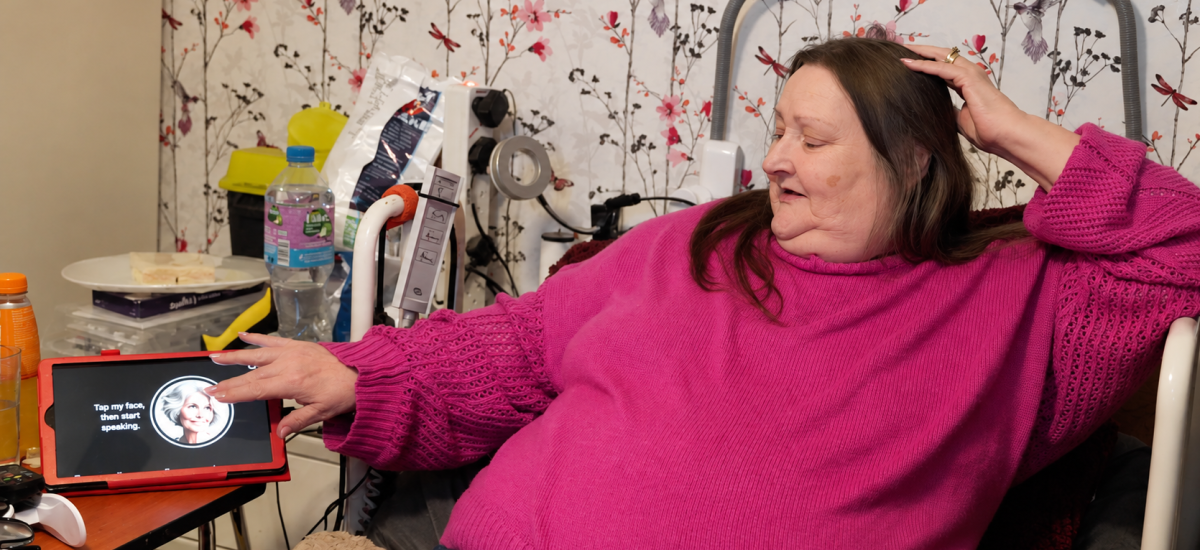
Yvonne's story
Yvonne was among the first people to use Comfort Companions. Her experience brings the idea of a friendly voice during quiet moments to life.
Watch Yvonne's story →Good questions to ask
What community organisations often want to know
Will older people be charged?
No. Under a funded community partnership, the person using Comfort Companions would not pay personally. Places depend on secured funding and appropriate support.
Do we need a grant already?
Not to start a conversation. We can explore funding opportunities together, but delivery can only begin when funding and responsibilities have been agreed.
Who helps people get started?
That depends on the partnership. We agree who introduces the service, checks suitability, supports consent and setup, follows up and provides human help.
Can people sign up directly?
There is no open public signup at present. Access is arranged through a supported route. People can join our updates list to hear when options develop.
Let's talk
Could we work together in your community?
If you represent a charity, voluntary organisation, befriending service or community group, we'd welcome a conversation. Tell us who you support, the area you work in and whether you have a potential funding route or would like to explore one with us.
You do not need a grant in place to get in touch. We can explore what might be possible, without promising places before funding and support are ready.
Please do not include service-user names, health details or other sensitive personal information in an enquiry.
Prefer email? community@comfortcompanions.co.uk | Privacy information